Monday, 24 June 2013


One of the holiest and most significant nights of the Islamic calendar is the night of the 15th of Shaban, also known as Shabe Barat. It is on the night of the 15th of Shaban that the Holy Prophet Muhammad (S) taught is the beginning of the new year in the spiritual realm, and that on Shabe Barat, the 15th of Shaban, the affairs of human beings are arranged in the Divine Presence for the coming twelve months. Mid-Sha'ban is the 15th day of the eighth month of the Islamic lunar calendar. The preceding night is known as Laylatul Bara’ah or Laylatun Nisfe min Sha’ban in the Arab world, and as Shab-e-barat in India and other muslim countries. Shab e Barat will be celebrated on 24th June 2013 in all the places. After Shabe e Barat, Ramadan is the next holy month in Muslims calendar.
 
1) 15th Night of Shaban or Shab e Barat, as it is known, is one of the blessed nights in the Islamic calender.

2) Make sure that you offer all the prayers in the masjid with Jamat. (This should be done in other days as well)

3) Make use of this blessed night by involving your self in individual nafl prayers. That includes recitation of quran, any zikr, nafl salah and most importantly, Dua!

4) Make as much dua as possible for the Ummah and for yourself.

5) There is no fixed or particular prayer for this night therefore stay away from any such gatherings where Nafl prayers are being offerd in Jamat. Allah(SWT) has granted us this night to get in touch with him personally and individually. We should value this opportunity and avoid gatherings.

6) It is not mandatory at all to stay up the whole night. Pray as much as you can conveniently. After that go to sleep and make sure you offer Fajr Salah in time in the Masjid.

7) You may also visit the graves of your loved ones, as it was done by our beloved Prophet(SAW) as well. However, it is not mandatory. Also, keeping in mind the sort of gatherings that take place at graveyards in these nights, it is sometimes better not to visit as one might get involved in sins.

8 ) Dua is the true essense of this night. Involve yourself in as much dua as you can

Things to be avoided on Shab e Barat:

1) Stay away from Bidaat. Stick to the simple straight path, i-e the Sunnah.

2) Shab e Baraat has nothing to do with Halwa, Fireworks and other such non-sense.

3) Farz Salah is of much greater importance than any Nafl Prayer. Therefore make sure that we do not stay up so late that we end up missing the Fajr Salah.

7 Types of People Who Will Not Be Forgiven on Shab e Baraat


Following are the types of people who, according to hadith, will not be forgiven even on the blessed night of Shab e Barat (if they do not repent).

However, if someone repents from these sins, then Allah(SWT) is all merciful and will surely forgive him.

1) Mushrik (those who associate partners with Allah).

2) The one who cuts off the ties of kinship (qata’ rehmi).

3) The one who covers his ankles with pants, shalwar or any other garment coming from the top (for men only)
4) The one who is disobedient towards his parents

5) The one who drinks Alcohol

6) The one who kills an innocent Muslim.

7) The one who keeps Keena (enmity) or nourishes malice in his heart for other Muslims.

Exchange of Nama-e -Amal

In Shabe-e-Barat the Nama-e –Amal which is also known as the record book of bad and good deeds is exchanged with the new Record book or Nama-e –Amal and kept safe among the other record books since the time of birth to exchanging time, the angels also write the births, deaths of the individuals in the very same night by the commandment of Almighty Allah. It contains all the deeds which the individual has done in the past year, the Almighty Allah has gifted that night to ask the forgiveness by saying prayers.
 
Message of Blessing Night:

Dear Muslim Brothers and Sisters! The Almighty Allah has provided us an opportunity with an infinite mercy to ask him for forgiveness regarding our sins in such an auspicious night. His Grace and favor is waiting for us now it’s our Turn to get the maximum blessings of Almighty Allah by offering Special Prayers and repent sincerely for our past sins and ask for forgiveness from core of heart.
OH Allah! Send Your Peace of blessings on the Final Prophet PBUH and his companions and those who follow him. My sins are like a huge mountain, my good deeds are like a small pebble I turn to you with full of shames; restore your mercy and forgiveness upon me.


04:44 Unknown
 
 
One of the holiest and most significant nights of the Islamic calendar is the night of the 15th of Shaban, also known as Shabe Barat. It is on the night of the 15th of Shaban that the Holy Prophet Muhammad (S) taught is the beginning of the new year in the spiritual realm, and that on Shabe Barat, the 15th of Shaban, the affairs of human beings are arranged in the Divine Presence for the coming twelve months. Mid-Sha'ban is the 15th day of the eighth month of the Islamic lunar calendar. The preceding night is known as Laylatul Bara’ah or Laylatun Nisfe min Sha’ban in the Arab world, and as Shab-e-barat in India and other muslim countries. Shab e Barat will be celebrated on 24th June 2013 in all the places. After Shabe e Barat, Ramadan is the next holy month in Muslims calendar.
 
1) 15th Night of Shaban or Shab e Barat, as it is known, is one of the blessed nights in the Islamic calender.

2) Make sure that you offer all the prayers in the masjid with Jamat. (This should be done in other days as well)

3) Make use of this blessed night by involving your self in individual nafl prayers. That includes recitation of quran, any zikr, nafl salah and most importantly, Dua!

4) Make as much dua as possible for the Ummah and for yourself.

5) There is no fixed or particular prayer for this night therefore stay away from any such gatherings where Nafl prayers are being offerd in Jamat. Allah(SWT) has granted us this night to get in touch with him personally and individually. We should value this opportunity and avoid gatherings.

6) It is not mandatory at all to stay up the whole night. Pray as much as you can conveniently. After that go to sleep and make sure you offer Fajr Salah in time in the Masjid.

7) You may also visit the graves of your loved ones, as it was done by our beloved Prophet(SAW) as well. However, it is not mandatory. Also, keeping in mind the sort of gatherings that take place at graveyards in these nights, it is sometimes better not to visit as one might get involved in sins.

8 ) Dua is the true essense of this night. Involve yourself in as much dua as you can

Things to be avoided on Shab e Barat:

1) Stay away from Bidaat. Stick to the simple straight path, i-e the Sunnah.

2) Shab e Baraat has nothing to do with Halwa, Fireworks and other such non-sense.

3) Farz Salah is of much greater importance than any Nafl Prayer. Therefore make sure that we do not stay up so late that we end up missing the Fajr Salah.

7 Types of People Who Will Not Be Forgiven on Shab e Baraat


Following are the types of people who, according to hadith, will not be forgiven even on the blessed night of Shab e Barat (if they do not repent).

However, if someone repents from these sins, then Allah(SWT) is all merciful and will surely forgive him.

1) Mushrik (those who associate partners with Allah).

2) The one who cuts off the ties of kinship (qata’ rehmi).

3) The one who covers his ankles with pants, shalwar or any other garment coming from the top (for men only)
4) The one who is disobedient towards his parents

5) The one who drinks Alcohol

6) The one who kills an innocent Muslim.

7) The one who keeps Keena (enmity) or nourishes malice in his heart for other Muslims.

Exchange of Nama-e -Amal

In Shabe-e-Barat the Nama-e –Amal which is also known as the record book of bad and good deeds is exchanged with the new Record book or Nama-e –Amal and kept safe among the other record books since the time of birth to exchanging time, the angels also write the births, deaths of the individuals in the very same night by the commandment of Almighty Allah. It contains all the deeds which the individual has done in the past year, the Almighty Allah has gifted that night to ask the forgiveness by saying prayers.
 
Message of Blessing Night:

Dear Muslim Brothers and Sisters! The Almighty Allah has provided us an opportunity with an infinite mercy to ask him for forgiveness regarding our sins in such an auspicious night. His Grace and favor is waiting for us now it’s our Turn to get the maximum blessings of Almighty Allah by offering Special Prayers and repent sincerely for our past sins and ask for forgiveness from core of heart.
OH Allah! Send Your Peace of blessings on the Final Prophet PBUH and his companions and those who follow him. My sins are like a huge mountain, my good deeds are like a small pebble I turn to you with full of shames; restore your mercy and forgiveness upon me.


Sunday, 16 June 2013

ASSALAMU ALAIKUM TO ALL FRIENDS

All praise be to Allah the Lord of the Worlds and peace and blessing be upon the best of creation who was sent down as a mercy for the worlds His beloved Prophet Muhammad Peace & Blessings Be Upon Him. Here we present a compilation of virtues of the Islamic greeting, Salaam  

What is Salaam?
Imam Baihaqi narrates in discontinuation from Ibne Abbas, that As-Salaam is amongst Allah’s names and also this is the greeting of the dwellers of Paradise. 
Imaam Bukhari in his Al-Adabul-Mufrad narrates from Hazrat Anas that the Holy Prophet Peace & Blessings Be Upon Himsaid, "As-salaam is indeed a name from the names of Allah, which Allah has placed upon the Earth, therefore spread salaam amongst yourselves in abundance." 


Offering Salaam Is An Islamic Duty
 
It has been narrated from Hazrat Ali May Allah be pleased with himthat the Holy Prophet Peace & Blessings Be Upon Himsaid, "Commonly in Islam there are six rights of a Muslim upon a Muslim: when he meets him he should give him salaam; when he invites him (to a meal) he should accept it; when he sneezes he should bless him; when he falls ill he should visit him; when he dies he should accompany his funeral and he should prefer for him that which he prefers for himself."  

Replying To Salaam Is A Duty Of A Muslim
Nasai narrates from Hazrat Abu Hurairah May Allah be pleased with himthat the Holy Prophet Peace & Blessings Be Upon Himsaid, "There are rights of a Muslim over a Muslim: Responding to salaam, visiting the sick, following the bier (A platform upon which the corpse rests), accepting an invitation (to a meal) and blessing a person who sneezes."  

The Virtue of Commencing Salaam
It has been narrated by Abu Umamah that the Holy Prophet Peace & Blessings Be Upon Himsaid, "Whoever commences Salaam is very close to Allah and His Messenger Muhammad (Peace & Blessings Be Upon Him)" Ibn Sunni has narrated this. 
In Imaam Ahmad’s narration there is, "The closest to Allah, the most glorious and eminent one, from amongst all the people is the one who commences salaam." 
Similarly Tabrani narrates from Abu Darda, who says that we asked the Holy Prophet Peace & Blessings Be Upon Him, "O Prophet of Allah, we meet each other, so who from amongst us should give salaam first?" The Holy Prophet Peace & Blessings Be Upon Himreplied, "The one who is the most obedient to Allah from amongst you."  

Reward For Giving Salaam
It has been narrated by Saalim that the Holy Prophet Peace & Blessings Be Upon Himsaid, "He who says Assalaamu Alaikum (Peace be upon you) ten rewards are written down for him, and he who says Assalaamu Alaikum wa rahmatullah (Peace be upon you and Allah’s mercy) for him twenty rewards are written down and he who says Assalaamu Alaikum wa rahmatullahi wa barakatuh (Peace be upon you and Allah’s mercy and blessing) thirty rewards are written down (for him)." 
In support of this Hadith we find a narration by Ibn Umar in Musannaf-Abdul-Razzak; It has been narrated in this Hadith that a person came in the presence of the Holy Prophet Peace & Blessings Be Upon Himand said, "Assalamu Alaikum." The Holy Prophet Peace & Blessings Be Upon Himreplied, "Ten." Then a second Sahabi came and said, "Assalamu Alaikum wa rahmatullah." The Holy Prophet Peace & Blessings Be Upon Himreplied, "Twenty." Then a third Sahabi arrived and said, "Assalamu Alaikum wa rahmatullahi wa barakatuh." Upon this the Holy ProphetPeace & Blessings Be Upon Himsaid, "Thirty." That is to say upon three words thirty rewards will be written down. 


The Manner of giving Salaam
Abu Yala narrates from Hazrat Abu Hurairah May Allah be pleased with himthat the Holy Prophet Peace & Blessings Be Upon Himsaid, "When anyone of you decides to offer salaam he should say ‘Assalaamu Alaikum’, because Allah, the most Glorious and Eminent one is As-salaam, for this reason do not commence with anything before saying Allah’s name."  

Conduct With The Person Who Does Not Say Salaam
It has been narrated from Ibn Umar, that the Holy Prophet Peace & Blessings Be Upon Himsaid, "He who speaks without firstly giving salaam, then do not answer him (to what he has to say)." 

The Correct Words Of Salaam
Abu Tameema narrates from a Sahabi who reported, "I said ‘Alaikas Salaam (Upon you be peace) O’ Messenger of Allah." 
The Holy Prophet Peace & Blessings Be Upon Himsaid, "Alaikas Salaam are the words of the deceased person’s salaam. When one of you meets his fellow brother, he should say Assalamu Alaikum wa Rahmatullah." 


08:24 Unknown
ASSALAMU ALAIKUM TO ALL FRIENDS

All praise be to Allah the Lord of the Worlds and peace and blessing be upon the best of creation who was sent down as a mercy for the worlds His beloved Prophet Muhammad Peace & Blessings Be Upon Him. Here we present a compilation of virtues of the Islamic greeting, Salaam  

What is Salaam?
Imam Baihaqi narrates in discontinuation from Ibne Abbas, that As-Salaam is amongst Allah’s names and also this is the greeting of the dwellers of Paradise. 
Imaam Bukhari in his Al-Adabul-Mufrad narrates from Hazrat Anas that the Holy Prophet Peace & Blessings Be Upon Himsaid, "As-salaam is indeed a name from the names of Allah, which Allah has placed upon the Earth, therefore spread salaam amongst yourselves in abundance." 


Offering Salaam Is An Islamic Duty
 
It has been narrated from Hazrat Ali May Allah be pleased with himthat the Holy Prophet Peace & Blessings Be Upon Himsaid, "Commonly in Islam there are six rights of a Muslim upon a Muslim: when he meets him he should give him salaam; when he invites him (to a meal) he should accept it; when he sneezes he should bless him; when he falls ill he should visit him; when he dies he should accompany his funeral and he should prefer for him that which he prefers for himself."  

Replying To Salaam Is A Duty Of A Muslim
Nasai narrates from Hazrat Abu Hurairah May Allah be pleased with himthat the Holy Prophet Peace & Blessings Be Upon Himsaid, "There are rights of a Muslim over a Muslim: Responding to salaam, visiting the sick, following the bier (A platform upon which the corpse rests), accepting an invitation (to a meal) and blessing a person who sneezes."  

The Virtue of Commencing Salaam
It has been narrated by Abu Umamah that the Holy Prophet Peace & Blessings Be Upon Himsaid, "Whoever commences Salaam is very close to Allah and His Messenger Muhammad (Peace & Blessings Be Upon Him)" Ibn Sunni has narrated this. 
In Imaam Ahmad’s narration there is, "The closest to Allah, the most glorious and eminent one, from amongst all the people is the one who commences salaam." 
Similarly Tabrani narrates from Abu Darda, who says that we asked the Holy Prophet Peace & Blessings Be Upon Him, "O Prophet of Allah, we meet each other, so who from amongst us should give salaam first?" The Holy Prophet Peace & Blessings Be Upon Himreplied, "The one who is the most obedient to Allah from amongst you."  

Reward For Giving Salaam
It has been narrated by Saalim that the Holy Prophet Peace & Blessings Be Upon Himsaid, "He who says Assalaamu Alaikum (Peace be upon you) ten rewards are written down for him, and he who says Assalaamu Alaikum wa rahmatullah (Peace be upon you and Allah’s mercy) for him twenty rewards are written down and he who says Assalaamu Alaikum wa rahmatullahi wa barakatuh (Peace be upon you and Allah’s mercy and blessing) thirty rewards are written down (for him)." 
In support of this Hadith we find a narration by Ibn Umar in Musannaf-Abdul-Razzak; It has been narrated in this Hadith that a person came in the presence of the Holy Prophet Peace & Blessings Be Upon Himand said, "Assalamu Alaikum." The Holy Prophet Peace & Blessings Be Upon Himreplied, "Ten." Then a second Sahabi came and said, "Assalamu Alaikum wa rahmatullah." The Holy Prophet Peace & Blessings Be Upon Himreplied, "Twenty." Then a third Sahabi arrived and said, "Assalamu Alaikum wa rahmatullahi wa barakatuh." Upon this the Holy ProphetPeace & Blessings Be Upon Himsaid, "Thirty." That is to say upon three words thirty rewards will be written down. 


The Manner of giving Salaam
Abu Yala narrates from Hazrat Abu Hurairah May Allah be pleased with himthat the Holy Prophet Peace & Blessings Be Upon Himsaid, "When anyone of you decides to offer salaam he should say ‘Assalaamu Alaikum’, because Allah, the most Glorious and Eminent one is As-salaam, for this reason do not commence with anything before saying Allah’s name."  

Conduct With The Person Who Does Not Say Salaam
It has been narrated from Ibn Umar, that the Holy Prophet Peace & Blessings Be Upon Himsaid, "He who speaks without firstly giving salaam, then do not answer him (to what he has to say)." 

The Correct Words Of Salaam
Abu Tameema narrates from a Sahabi who reported, "I said ‘Alaikas Salaam (Upon you be peace) O’ Messenger of Allah." 
The Holy Prophet Peace & Blessings Be Upon Himsaid, "Alaikas Salaam are the words of the deceased person’s salaam. When one of you meets his fellow brother, he should say Assalamu Alaikum wa Rahmatullah." 


Tuesday, 23 April 2013


09:04 Unknown

Sunday, 21 April 2013


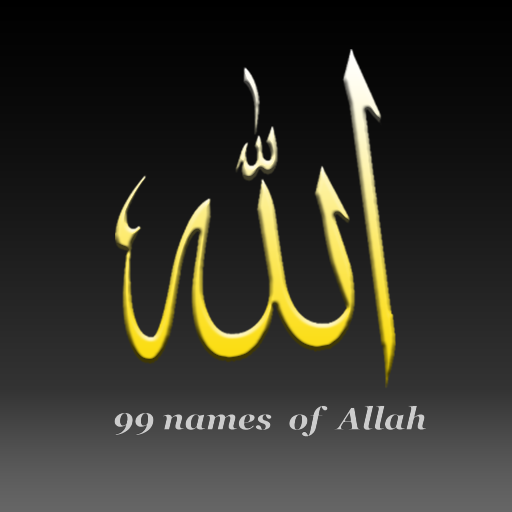
1. Allah (الله) The Greatest Name

2. Ar-Rahman (الرحمن) The All-Compassionate

3. Ar-Rahim (الرحيم) The All-Merciful

4. Al-Malik (الملك) The Absolute Ruler

5. Al-Quddus (القدوس) The Pure One

6. As-Salam (السلام) The Source of Peace

7. Al-Mu'min (المؤمن) The Inspirer of Faith

8. Al-Muhaymin (المهيمن) The Guardian

9. Al-Aziz (العزيز) The Victorious

10. Al-Jabbar (الجبار) The Compeller

11. Al-Mutakabbir (المتكبر) The Greatest

12. Al-Khaliq (الخالق) The Creator

13. Al-Bari' (البارئ) The Maker of Order

14. Al-Musawwir (المصور) The Shaper of Beauty

15. Al-Ghaffar (الغفار) The Forgiving

16. Al-Qahhar (القهار) The Subduer

17. Al-Wahhab (الوهاب) The Giver of All

18. Ar-Razzaq (الرزاق) The Sustainer

19. Al-Fattah (الفتاح) The Opener

20. Al-`Alim (العليم) The Knower of All

21. Al-Qabid (القابض) The Constrictor

22. Al-Basit (الباسط) The Reliever

23. Al-Khafid (الخافض) The Abaser

24. Ar-Rafi (الرافع) The Exalter

25. Al-Mu'izz (المعز) The Bestower of Honors

26. Al-Mudhill (المذل) The Humiliator

27. As-Sami (السميع) The Hearer of All

28. Al-Basir (البصير) The Seer of All

29. Al-Hakam (الحكم) The Judge

30. Al-`Adl (العدل) The Just

31. Al-Latif (اللطيف) The Subtle One

32. Al-Khabir (الخبير) The All-Aware

33. Al-Halim (الحليم) The Forbearing

34. Al-Azim (العظيم) The Magnificent

35. Al-Ghafur (الغفور) The Forgiver and Hider of Faults

36. Ash-Shakur (الشكور) The Rewarder of Thankfulness

37. Al-Ali (العلى) The Highest

38. Al-Kabir (الكبير) The Greatest

39. Al-Hafiz (الحفيظ) The Preserver

40. Al-Muqit (المقيت) The Nourisher

41. Al-Hasib (الحسيب) The Accounter

42. Al-Jalil (الجليل) The Mighty

43. Al-Karim (الكريم) The Generous

44. Ar-Raqib (الرقيب) The Watchful One

45. Al-Mujib (المجيب) The Responder to Prayer

46. Al-Wasi (الواسع) The All-Comprehending

47. Al-Hakim (الحكيم) The Perfectly Wise

48. Al-Wadud (الودود) The Loving One

49. Al-Majid (المجيد) The Majestic One

50. Al-Ba'ith (الباعث) The Resurrector

51. Ash-Shahid (الشهيد) The Witness

52. Al-Haqq (الحق) The Truth

53. Al-Wakil (الوكيل) The Trustee

54. Al-Qawiyy (القوى) The Possessor of All Strength

55. Al-Matin (المتين) The Forceful One

56. Al-Waliyy (الولى) The Governor

57. Al-Hamid (الحميد) The Praised One

58. Al-Muhsi (المحصى) The Appraiser

59. Al-Mubdi' (المبدئ) The Originator

60. Al-Mu'id (المعيد) The Restorer

61. Al-Muhyi (المحيى) The Giver of Life

62. Al-Mumit (المميت) The Taker of Life

63. Al-Hayy (الحي) The Ever Living One

64. Al-Qayyum (القيوم) The Self-Existing One

65. Al-Wajid (الواجد) The Finder

66. Al-Majid (الماجد) The Glorious

67. Al-Wahid (الواحد) The One, The All Inclusive, The Indivisible

68. As-Samad (الصمد) The Satisfier of All Needs

69. Al-Qadir (القادر) The All Powerful

70. Al-Muqtadir (المقتدر) The Creator of All Power

71. Al-Muqaddim (المقدم) The Expediter

72. Al-Mu'akhkhir (المؤخر) The Delayer

73. Al-Awwal (الأول) The First

74. Al-Akhir (الأخر) The Last

75. Az-Zahir (الظاهر) The Manifest One

76. Al-Batin (الباطن) The Hidden One

77. Al-Wali (الوالي) The Protecting Friend

78. Al-Muta'ali (المتعالي) The Supreme One

79. Al-Barr (البر) The Doer of Good

80. At-Tawwab (التواب) Guide to Repentance

81. Al-Muntaqim (المنتقم) The Avenger

82. Al-'Afuww (العفو) The Forgiver

83. Ar-Ra'uf (الرؤوف) The Clement

84. Malik-al-Mulk (مالك الملك) The Owner of All

85. Dhu-al-Jalal wa-al-Ikramذو الجلال و الإكرام) ( The Lord of Majesty and Bounty

86. Al-Muqsit (المقسط) The Equitable One

87. Al-Jami' (الجامع) The Gatherer

88. Al-Ghani (الغنى) The Rich One

89. Al-Mughni (المغنى) The Enricher

90. Al-Mani'(المانع) The Preventer of Harm

91. Ad-Darr (الضار) The Creator of The Harmful

92. An-Nafi' (النافع) The Creator of Good

93. An-Nur (النور) The Light

94. Al-Hadi (الهادي) The Guide

95. Al-Badi (البديع) The Originator

96. Al-Baqi (الباقي) The Everlasting One

97. Al-Warith (الوارث) The Inheritor of All

98. Ar-Rashid (الرشيد) The Righteous Teacher

99. As-Sabur (الصبور) The Patient One
06:38 Unknown
 
 
1. Allah (الله) The Greatest Name

2. Ar-Rahman (الرحمن) The All-Compassionate

3. Ar-Rahim (الرحيم) The All-Merciful

4. Al-Malik (الملك) The Absolute Ruler

5. Al-Quddus (القدوس) The Pure One

6. As-Salam (السلام) The Source of Peace

7. Al-Mu'min (المؤمن) The Inspirer of Faith

8. Al-Muhaymin (المهيمن) The Guardian

9. Al-Aziz (العزيز) The Victorious

10. Al-Jabbar (الجبار) The Compeller

11. Al-Mutakabbir (المتكبر) The Greatest

12. Al-Khaliq (الخالق) The Creator

13. Al-Bari' (البارئ) The Maker of Order

14. Al-Musawwir (المصور) The Shaper of Beauty

15. Al-Ghaffar (الغفار) The Forgiving

16. Al-Qahhar (القهار) The Subduer

17. Al-Wahhab (الوهاب) The Giver of All

18. Ar-Razzaq (الرزاق) The Sustainer

19. Al-Fattah (الفتاح) The Opener

20. Al-`Alim (العليم) The Knower of All

21. Al-Qabid (القابض) The Constrictor

22. Al-Basit (الباسط) The Reliever

23. Al-Khafid (الخافض) The Abaser

24. Ar-Rafi (الرافع) The Exalter

25. Al-Mu'izz (المعز) The Bestower of Honors

26. Al-Mudhill (المذل) The Humiliator

27. As-Sami (السميع) The Hearer of All

28. Al-Basir (البصير) The Seer of All

29. Al-Hakam (الحكم) The Judge

30. Al-`Adl (العدل) The Just

31. Al-Latif (اللطيف) The Subtle One

32. Al-Khabir (الخبير) The All-Aware

33. Al-Halim (الحليم) The Forbearing

34. Al-Azim (العظيم) The Magnificent

35. Al-Ghafur (الغفور) The Forgiver and Hider of Faults

36. Ash-Shakur (الشكور) The Rewarder of Thankfulness

37. Al-Ali (العلى) The Highest

38. Al-Kabir (الكبير) The Greatest

39. Al-Hafiz (الحفيظ) The Preserver

40. Al-Muqit (المقيت) The Nourisher

41. Al-Hasib (الحسيب) The Accounter

42. Al-Jalil (الجليل) The Mighty

43. Al-Karim (الكريم) The Generous

44. Ar-Raqib (الرقيب) The Watchful One

45. Al-Mujib (المجيب) The Responder to Prayer

46. Al-Wasi (الواسع) The All-Comprehending

47. Al-Hakim (الحكيم) The Perfectly Wise

48. Al-Wadud (الودود) The Loving One

49. Al-Majid (المجيد) The Majestic One

50. Al-Ba'ith (الباعث) The Resurrector

51. Ash-Shahid (الشهيد) The Witness

52. Al-Haqq (الحق) The Truth

53. Al-Wakil (الوكيل) The Trustee

54. Al-Qawiyy (القوى) The Possessor of All Strength

55. Al-Matin (المتين) The Forceful One

56. Al-Waliyy (الولى) The Governor

57. Al-Hamid (الحميد) The Praised One

58. Al-Muhsi (المحصى) The Appraiser

59. Al-Mubdi' (المبدئ) The Originator

60. Al-Mu'id (المعيد) The Restorer

61. Al-Muhyi (المحيى) The Giver of Life

62. Al-Mumit (المميت) The Taker of Life

63. Al-Hayy (الحي) The Ever Living One

64. Al-Qayyum (القيوم) The Self-Existing One

65. Al-Wajid (الواجد) The Finder

66. Al-Majid (الماجد) The Glorious

67. Al-Wahid (الواحد) The One, The All Inclusive, The Indivisible

68. As-Samad (الصمد) The Satisfier of All Needs

69. Al-Qadir (القادر) The All Powerful

70. Al-Muqtadir (المقتدر) The Creator of All Power

71. Al-Muqaddim (المقدم) The Expediter

72. Al-Mu'akhkhir (المؤخر) The Delayer

73. Al-Awwal (الأول) The First

74. Al-Akhir (الأخر) The Last

75. Az-Zahir (الظاهر) The Manifest One

76. Al-Batin (الباطن) The Hidden One

77. Al-Wali (الوالي) The Protecting Friend

78. Al-Muta'ali (المتعالي) The Supreme One

79. Al-Barr (البر) The Doer of Good

80. At-Tawwab (التواب) Guide to Repentance

81. Al-Muntaqim (المنتقم) The Avenger

82. Al-'Afuww (العفو) The Forgiver

83. Ar-Ra'uf (الرؤوف) The Clement

84. Malik-al-Mulk (مالك الملك) The Owner of All

85. Dhu-al-Jalal wa-al-Ikramذو الجلال و الإكرام) ( The Lord of Majesty and Bounty

86. Al-Muqsit (المقسط) The Equitable One

87. Al-Jami' (الجامع) The Gatherer

88. Al-Ghani (الغنى) The Rich One

89. Al-Mughni (المغنى) The Enricher

90. Al-Mani'(المانع) The Preventer of Harm

91. Ad-Darr (الضار) The Creator of The Harmful

92. An-Nafi' (النافع) The Creator of Good

93. An-Nur (النور) The Light

94. Al-Hadi (الهادي) The Guide

95. Al-Badi (البديع) The Originator

96. Al-Baqi (الباقي) The Everlasting One

97. Al-Warith (الوارث) The Inheritor of All

98. Ar-Rashid (الرشيد) The Righteous Teacher

99. As-Sabur (الصبور) The Patient One

Saturday, 20 April 2013


A Muslim should maintain good relations with his relatives, but he should not unjustly favor them over others. Further, a Muslim must be good to his neighbors, no matter their religion. But the Prophet Muhammad (peace and blessings be upon him) taught us that a "neighbor" is not just the one next door but includes all those up to forty houses in all directions - effectively a whole neighborhood.

An Ansar (emigrant) came to Prophet Muhammad (peace and blessings be upon him) and said that he has recently purchased a house in a particular area and that his nearest person was such that he had no hope of any goodness from him and that he felt unsafe from his mischief. Prophet Muhammad (peace and blessings be upon him) told Imam Ali (as), Salman Al-Farsi, Abu Zar Ghaffari and Miqdad ibn Aswad to go to the Mosque and announce: "He is not a believer whose neighbour is unsafe from his mischief." They announced it thrice and then to Prophet Muhammad (peace and blessings be upon him) pointed towards forty doors to his right and forty to the left indicating that forty houses in every direction constitute ones neighbourhood. One is obliged to observe their rights.

This concern for our neighbors can take many forms. It means to ensure that our neighbors have the basic necessities, for a Muslim should not eat if his or her neighbor is going hungry. It means that Muslims should wish for their neighbors what they wish for themselves. It means sharing their happiness and sorrow. Further, it means to not spy on them and respect their privacy, to not gossip about them, to not harm them in any way, and to keep common use areas - such as apartment building entrances, streets and sidewalks - clean.

Prophet Muhammad (peace and blessings be upon him) was told of a woman who prayed during night and fasted a lot during day and gave alms generously, but whose neighbors complained of her abusive tongue. He said that she would be in Hellfire. When Prophet Muhammad (peace and blessings be upon him) was told of another woman who did not do all those extra acts of worship other than just compulsory (Wajib) but whose neighbors were happy with her, he said that she would be in Paradise. Thus we see the importance of being good to our neighbors, both in actions and words.


Prophet Muhammad (peace and blessings be upon him) on the rights of the neighbour, said: "It is to help him if he asks your help, to lend him if he asks to borrow from you, to satisfy his needs if he becomes poor, to console him if he is visited by an affliction, to congratulate him if is met with good fortune, to visit him if he becomes ill, to attend his funeral if he dies, not to make your house higher than his without his consent lest you deny him the breeze, to offer him fruit when you buy some or to take it to your home secretly if you do not do that, nor to send out your children with it so as not to upset his children, nor to bother him by the tempting smell of your food unless you send him some." The Scale of Wisdom, P.234/235 no.1308
Imam Ali (as) says: A person is either your brother in faith, or your equal in humanity.\
Islam and Neighbourhood (Neighborhood): Kindness to a Non-Muslim Neighbor
The neighbor holds a special status in Islam. Islam encourages Muslims to treat their neighbors in a gentle way that reflects the true and genuine spirit of Islam as exemplified in its tolerant aspect especially with people of other faiths. It makes no difference whether the neighbors are Muslim or non-Muslim. Ayesha, the Mother of the Believers, stated that she once asked Prophet Muhammad (peace and blessings be upon him), "O Messenger of Allah! I have two neighbors. To whom shall I send my gifts?" Prophet Muhammad (peace and blessings be upon him) said, "To the one whose gate is nearer to you."

It is clear from the above Prophetic Hadith that Muslims are encouraged to not only treat our neighbors kindly, but also to exchange gifts with them. The wording of the Hadith does not indicate whether the one with whom we exchange gifts is a Muslim or not.
Below are ten tips on how to approach your non-Muslim neighbors in a kind way that exemplifies Islamic manners:

1. Being good to neighbors is not only restricted to those who share the same building with you. Your roommate at the dorm is your neighbor; the person sitting behind you or next to you in a bus or at a bus stop is your neighbor; the one sharing your office at work is your neighbor; the person enjoying fresh air next to you in a public garden is also a neighbor. You ought to treat all of those people kindly and socialize with them within the permitted scope of Shariah Islamic Law.

2. Introduce yourself and your family to your neighbors when you move into a new place or when new neighbors move in. This will also help to relieve any fears or tensions they may have about Muslims. Also, don't forget to say good-bye when you or they move away.

3. Care for them continually, especially at times of need and distress, as "the neighbor in need is a neighbor indeed." If a neighbor is elderly or chronically ill, offer to run errands or shop for him or her.

4. In dealing with neighbors, it is safer to deal with those of the same sex as yourself. This does not mean that you should stop socializing at work or school with your non-Muslim workmates or classmates of the opposite sex, but be aware of satanic snares. After-hours socializing should be with your same sex.

5. While socializing with non-Muslims, be cautious of becoming too lenient at the expense of your creed and principles. For example, don't go out drinking with them. They will respect you more for sticking to your principles than for breaking the rules.

6. In addition to sharing ideas, you can share meals with them by inviting them to dinner on the weekend or accepting their invitation to the same, provided that you let them know about your dietary restrictions (Halal and Haram) as a Muslim.

7. Conduct mutual visits so that the families can interact in a constructive way. If the discussion does turn to religion, focus on areas of common ground. For example, if your neighbors are Christian, then you should not enter into a futile argument with them about whether Jesus is God incarnate or not. Rather, tell them to what extent Islam honors all God's Prophets and Messengers as a whole, and that Jesus is granted a special status among God's Prophets and Messengers.

8. While socializing with neighbors, present your religion (Islam) in the best way. If you are faced with a difficult question or a distortion about Islam, do not be ashamed to stop for a while and tell them that you will try to contact a more knowledgeable person to seek the guidance regarding the issue raised. Thus, common grounds should be enhanced, and areas of dissension should never be raised.

9. If your neighbors show an interest in Islam, invite them to attend Islamic events, and even to accompany you to the mosque to see what it is like. It may be that their hearts become softened to Islam, and if they remain non-Muslim, at least you have succeeded in breaking the barrier. You can also visit the church where your neighbors pray if they invite you to do that, but here you should be cautious not to perform any act that your religion prohibits. In brief, be only a watchful monitor.

10. Always keep in mind the mighty reward that is in store for you in the Hereafter when you show kindness to a neighbor.
Rights of Neighbours (Neighbors): Neighbours in Islam (Neighborhood Story)

11:16 Unknown


A Muslim should maintain good relations with his relatives, but he should not unjustly favor them over others. Further, a Muslim must be good to his neighbors, no matter their religion. But the Prophet Muhammad (peace and blessings be upon him) taught us that a "neighbor" is not just the one next door but includes all those up to forty houses in all directions - effectively a whole neighborhood.

An Ansar (emigrant) came to Prophet Muhammad (peace and blessings be upon him) and said that he has recently purchased a house in a particular area and that his nearest person was such that he had no hope of any goodness from him and that he felt unsafe from his mischief. Prophet Muhammad (peace and blessings be upon him) told Imam Ali (as), Salman Al-Farsi, Abu Zar Ghaffari and Miqdad ibn Aswad to go to the Mosque and announce: "He is not a believer whose neighbour is unsafe from his mischief." They announced it thrice and then to Prophet Muhammad (peace and blessings be upon him) pointed towards forty doors to his right and forty to the left indicating that forty houses in every direction constitute ones neighbourhood. One is obliged to observe their rights.

This concern for our neighbors can take many forms. It means to ensure that our neighbors have the basic necessities, for a Muslim should not eat if his or her neighbor is going hungry. It means that Muslims should wish for their neighbors what they wish for themselves. It means sharing their happiness and sorrow. Further, it means to not spy on them and respect their privacy, to not gossip about them, to not harm them in any way, and to keep common use areas - such as apartment building entrances, streets and sidewalks - clean.

Prophet Muhammad (peace and blessings be upon him) was told of a woman who prayed during night and fasted a lot during day and gave alms generously, but whose neighbors complained of her abusive tongue. He said that she would be in Hellfire. When Prophet Muhammad (peace and blessings be upon him) was told of another woman who did not do all those extra acts of worship other than just compulsory (Wajib) but whose neighbors were happy with her, he said that she would be in Paradise. Thus we see the importance of being good to our neighbors, both in actions and words.


Prophet Muhammad (peace and blessings be upon him) on the rights of the neighbour, said: "It is to help him if he asks your help, to lend him if he asks to borrow from you, to satisfy his needs if he becomes poor, to console him if he is visited by an affliction, to congratulate him if is met with good fortune, to visit him if he becomes ill, to attend his funeral if he dies, not to make your house higher than his without his consent lest you deny him the breeze, to offer him fruit when you buy some or to take it to your home secretly if you do not do that, nor to send out your children with it so as not to upset his children, nor to bother him by the tempting smell of your food unless you send him some." The Scale of Wisdom, P.234/235 no.1308
Imam Ali (as) says: A person is either your brother in faith, or your equal in humanity.\
Islam and Neighbourhood (Neighborhood): Kindness to a Non-Muslim Neighbor
The neighbor holds a special status in Islam. Islam encourages Muslims to treat their neighbors in a gentle way that reflects the true and genuine spirit of Islam as exemplified in its tolerant aspect especially with people of other faiths. It makes no difference whether the neighbors are Muslim or non-Muslim. Ayesha, the Mother of the Believers, stated that she once asked Prophet Muhammad (peace and blessings be upon him), "O Messenger of Allah! I have two neighbors. To whom shall I send my gifts?" Prophet Muhammad (peace and blessings be upon him) said, "To the one whose gate is nearer to you."

It is clear from the above Prophetic Hadith that Muslims are encouraged to not only treat our neighbors kindly, but also to exchange gifts with them. The wording of the Hadith does not indicate whether the one with whom we exchange gifts is a Muslim or not.
Below are ten tips on how to approach your non-Muslim neighbors in a kind way that exemplifies Islamic manners:

1. Being good to neighbors is not only restricted to those who share the same building with you. Your roommate at the dorm is your neighbor; the person sitting behind you or next to you in a bus or at a bus stop is your neighbor; the one sharing your office at work is your neighbor; the person enjoying fresh air next to you in a public garden is also a neighbor. You ought to treat all of those people kindly and socialize with them within the permitted scope of Shariah Islamic Law.

2. Introduce yourself and your family to your neighbors when you move into a new place or when new neighbors move in. This will also help to relieve any fears or tensions they may have about Muslims. Also, don't forget to say good-bye when you or they move away.

3. Care for them continually, especially at times of need and distress, as "the neighbor in need is a neighbor indeed." If a neighbor is elderly or chronically ill, offer to run errands or shop for him or her.

4. In dealing with neighbors, it is safer to deal with those of the same sex as yourself. This does not mean that you should stop socializing at work or school with your non-Muslim workmates or classmates of the opposite sex, but be aware of satanic snares. After-hours socializing should be with your same sex.

5. While socializing with non-Muslims, be cautious of becoming too lenient at the expense of your creed and principles. For example, don't go out drinking with them. They will respect you more for sticking to your principles than for breaking the rules.

6. In addition to sharing ideas, you can share meals with them by inviting them to dinner on the weekend or accepting their invitation to the same, provided that you let them know about your dietary restrictions (Halal and Haram) as a Muslim.

7. Conduct mutual visits so that the families can interact in a constructive way. If the discussion does turn to religion, focus on areas of common ground. For example, if your neighbors are Christian, then you should not enter into a futile argument with them about whether Jesus is God incarnate or not. Rather, tell them to what extent Islam honors all God's Prophets and Messengers as a whole, and that Jesus is granted a special status among God's Prophets and Messengers.

8. While socializing with neighbors, present your religion (Islam) in the best way. If you are faced with a difficult question or a distortion about Islam, do not be ashamed to stop for a while and tell them that you will try to contact a more knowledgeable person to seek the guidance regarding the issue raised. Thus, common grounds should be enhanced, and areas of dissension should never be raised.

9. If your neighbors show an interest in Islam, invite them to attend Islamic events, and even to accompany you to the mosque to see what it is like. It may be that their hearts become softened to Islam, and if they remain non-Muslim, at least you have succeeded in breaking the barrier. You can also visit the church where your neighbors pray if they invite you to do that, but here you should be cautious not to perform any act that your religion prohibits. In brief, be only a watchful monitor.

10. Always keep in mind the mighty reward that is in store for you in the Hereafter when you show kindness to a neighbor.
Rights of Neighbours (Neighbors): Neighbours in Islam (Neighborhood Story)

Friday, 19 April 2013


Rehana looked up from her cup of tea, and shook her head disapprovingly.

“How do I look, Azhar?” Tasneem, her 20-year-old daughter was asking her brother, as she made her way to the breakfast table.

“Fat,” giggled 14-year-old Azhar, returning to his plate of sausages and eggs.

“Fat is exactly what you are going to be, if you keep stuffing your face like that,” Tasneem retorted, admiring herself in the Defy oven.

Clad in her tightest pair of fitted blue jeans, beige clogs, and a transparent white cropped top, which barely covered her chest, let alone her tummy, Rehana thought her daughter looked…

“Disgusting.” She bit back her anger and tried to sound calm.

Tasneem shot her mother a furious look. “Who asked YOU? Why can’t you just leave me alone?”

“Tasneem, you make it seem as if I’m picking on you. But I’m not. At the end of the day my advice is only for your own -”

“Yes, yes, for my own good – save the speech for someone else Mummy. As you might have noticed, it was lost on me yesterday and the day before and the day before, so just put a lid on it now will you?”

Rehana shook her head again, at a loss for words. She looked in her husband’s direction, pleadingly. But he sat at the table, cup of coffee in one hand, newspaper in the other, engrossed in the sports pages. Perhaps he’s pretending, she thought. Like me he’s probably fed up with the endless arguments.

“I’ll be late, have evening lectures, so don’t ring me twenty thousand times, nagging me.”

Her daughter’s angry voice interrupted her thoughts. “Oh, so you aren’t going to eat now?”

Rehana suddenly noticed that Tasneem was slinging her campus bag over her shoulder, and making her way to the door. She motioned at her to sit down.

“No thanks – I’ve lost my appetite.”

“Gooood Fatty’s lost her appetite, she’ll get thinner now, and there’ll be more food for me…” Azhar sang, as he grabbed Tasneem’s plate.

“Shut up you little brat.”

“Tasneem.” Thankfully, this time, Iqbal did intervene. “Don’t be rude to your brother, he’s just joking. And listen to your mother and sit down. Unless of course you want your car to be taken away from you for a while.”

“Okay, okay, I hear you.” Tasneem grudgingly put her bag down, and pulled a chair opposite her mother.

Rehana smiled at her daughter. “I don’t mean to push you into doing anything you don’t want to do Tasneem. I’m not asking you to cover your face or anything like that. In fact, lately I haven’t even asked you to cover your hair. With the way you’ve been dressing lately, I’d be happy if you just wore longer tops and looser trousers.”

Tasneem sighed. “Look Mummy, we only live once. You had your fun – I’m not stupid.

 The whole family knows you and Daddy met at campus – and don’t tell me you were covering your hair then. So after having your fun, it’s very easy for you to sit back and preach to me.”

Tasneem, you are right, I only started covering my hair after you were born. And yes, I wasn’t a perfect Muslimah at campus – but don’t you see? I regret every minute of it, and that’s why I tried to encourage you to fear Allah from a tender age.”

“Fear of Allah is in the heart Mum. And you can’t judge what’s in my heart.”

Rehana nodded. “But at the same time, we have to project our fear of Allah on the outside too, Tasneem. And there’s a good reason we are instructed to dress modestly. 

Believe me Tasneem, you do want a boy to marry you for your inner beauty not for your body.”

Tasneem laughed heartily. “Mummmm, relax. I don’t have a boyfriend, and the last thing I’m thinking of right now is marriage. I just want to have fun, okay? Love you…See you later.” And with a frivolous peck on Rehana’s cheek, she was gone. Rehana put her cup of tea down. Once again her daughter had totally missed the point.

Iqbal smiled at her encouragingly. “At least you tried, Ray.” He shook his head sadly. “I gave up ages ago.”

“Oh, I won’t give up. We shouldn’t ever give up.”

“Tazzzzz – wow girlfriend, you look fantastic…” Aaliyah greeted Tasneem at the top of her voice, as they made their way to the campus cafeteria.

Tasneem giggled with delight. “Awww thanks. You look pretty cool yourself,” she said examining her friend’s new hairdo.

“Yeah, you two look great. I stayed up all night, studying for the Ecos test, no time to dress up this morning. I feel quite left out,” moaned Ayesha, rummaging through her bag, frantically searching for her mobile phone, which was bleeping away, signalling the arrival of a host of SMS-es.

“Ooooo Tazzz, look there’s Osama, checking you out again,” Aaliyah shrieked as they seated themselves at a table.

“Aaliyah don’t!” Tasneem rolled her eyes up in disgust.

“Hello? Am I missing something here? What are you two on about?” Ayesha tugged at Tasneem’s top.

Tasneem motioned in the direction of the table alongside theirs’. A heavily-bearded student, clad in a crisp white kurtaa, sat there, his face buried in a book.

“Is his name really Osama?” Ayesha asked.

“No silly…Aaliyah just calls him that, cos he’s always dressed in that garb and doing the Jumu’ah khutbahs.”

“Really?” Ayesha asked, interested. “So what does he talk about?”

“Oooo looks like you have competition Taz. Hands off Ayesh. He wants Taz.”

“Come on guys, I’m serious. What does he talk about?”

Aaliyah cleared her throat and waved her hand up in the air dramatically. “The temporary nature of this life…the frivolity and deception of youth…blah blah blah.”

“Okay, I’m definitely not interested.

Hey Tasneem, is he really into you? Did he like ask you out or something?”

“No way. Look at him, does he look the type?”

“Lower your voices,” Ayesha said. “I’m sure he can hear us.”

“Who cares if he does? Serves him right if he does -giving us Muslims a bad name, dressing like that, and always looking at the ground when he’s walking, as if his head is paralysed or something,” Tasneem replied, deliberately craning her neck and raising her voice.

For a fleeting moment, ‘Osama’ did look up, but he quickly returned to his book.

Aaliyah sniggered. “Well said Taz…Maybe you should be giving the Jumu’ah khutbahs.”

“Hey there’s someone who would look right at home, giving a Jumu’ah khutbah,” laughed Tasneem, revelling in their daily early morning session of juicy gossip. She pointed in the direction of the entrance, where a pretty girl, clad in a long-sleeved dress, and a neatly-tied scarf, was standing.

“Who is that Daadi-ma?” laughed Aaliyah.

“Come on girls, you’re just jealous, she’s actually very pretty,” said Ayesha.

This time ‘Osama’ definitely heard them. He looked up at the entrance and waved, a smile lighting up his serious expression. “Apaa, over here,” he called.

“What a strange name – ‘Apaa’.”

“Tazz. It’s not her name. It’s Urdu for ‘Big sister,’” Ayesha explained.

“Oh.” Tasneem’s voice reflected her disappointment. “His sister? And here I was thinking that maybe he wasn’t such a goody-goody after all.” She looked at her watch, and hurriedly stood up, detangling her bag from the back of the chair. She grabbed Aaliyah’s arm. “Come on., .we’d better make it for the English lecture now, if we want to catch an afternoon movie.”

“Yeah, okay.” Aaliyah followed her out of the cafeteria.

“What did you tell your Mum anyway?” Tasneem grinned.

“What else? The usual – evening lectures.”

Tasneem looked up at the sky, as she reversed out of the parking bay, It was a typically beautiful Durban day – ideal for the beach. Perhaps she should ring Aaliyah and Ayesha and tell them to meet her at Addington instead she thought, as she made her way out of the campus parking lot. “Nah, I don’t have my costume any way…” she said to herself. 

“Besides we’ve all been dying to watch this movie since it came out.” She turned on the radio, and smiled in delight as she recognised the familiar tune of Britney Spear’s latest hit, ‘Toxic’ She didn’t see him coming. There was a wave of white in front of her and a female screaming in the background as she slammed her foot on the breaks. It was too late.

“God, no,” Tasneem gasped, barely remembering to turn off the radio as she dragged herself out of the car. “Osama!” She was hysterical now, screaming incoherently and crying as she noticed the blood fast forming a puddle under him. “What have I done? No, no, no.” His sister was on the phone, trying to get medical assistance, her hand clutching her brother’s. “It’s my brother Sohail. We are on the main road outside Block B.”

Tasneem had seen someone die before. But looking at Sohail’s face, she realized that the death of that man, writhing and foaming after a drug overdose outside the night-club was very different to what she was witnessing now, Sohail’s face was serene, and he was smiling up at the sky.

“Sohail, I’m so s-orry,” she stammered. The smile didn’t leave his face.

Love Allah Sister,” he said, in that same gentle tone which marked his khutbahs. And then without their assistance, he recited the Kalimah three times, and closed his eyes.
Tasneem looked up at his sister, afraid. “I’m so sorry,” she said.

“It wasn’t your fault, sister.” The tears finally came. “Sohail was in a rush to get to the mosque for ‘Asr, and he really wasn’t looking where he was going. I tried to pull him back, but-” She was sobbing now.

“It’s the Will of Allah Subhanuhu wa Ta’ala you know sister, but he was my little brother, and we were close.”

Tasneem shuddered as she thought of podgy little Azhar, and what she would do if someone knocked him down. One thing was for sure – the last thing she would be saying was that it was ‘the Will of Allah Subhanuhu wa Ta’ala.’ With a sick feeling in her stomach she recalled her nasty words of that very morning – to her mother, to Azhar…and worst of all – in the cafeteria: “…giving us Muslims a bad name, dressing like that, and always looking at the ground when he’s walking, as if his head is paralysed or something…”\

“I’m so sorry Sohail,” she whispered again. Suddenly she felt naked. She made an attempt at pulling her flimsy top down towards her stomach, but failed miserably. Sohail’s sister, still crying, reached into her bag, and handed her a long black cardigan. The sounds of sirens approaching, Tasneem wore it hurriedly, her fingers quivering as she did the buttons.

She felt empty inside – I am giving them a bad name, she thought – Mummy and Daddy and Azhar, and Sohail and his sister…and Islam.. .I am giving them a bad name…

Rehana stroked her daughter’s hair, in an attempt to soothe her. It was well past midnight, but Tasneem lay on her bed, her eyes wide open, still visibly shaken from the events of the day. Iqbal came into the room, with a mug of hot chocolate. He kissed Tasneem on the forehead as he handed the mug to Rehana.

“I think you should sleep with her tonight,” he said. “Is she okay?”

Rehana nodded. “She’s going to be just fine.” As she put her daughter off to sleep, Rehana thought of the many events which had shaped her own character, and she remembered with certainty that not all of them were pleasant and happy events
Yet it was these very events which had brought her to where she was today: to wearing the hijab, to enrolling for the Islamic studies course, to Allah.. .to Allah…

May Allah Bless that little boy, she thought. In a day, in one sentence, he had managed, effortlessly, to succeed where she and Iqbal had not.

That evening, when Tasneem had appeared at the door, clutching the arm of a policewoman, her body wrapped in a cardigan, a scarf tied tightly around her neck, she had uttered the words which made Rehana realize the mistake she and Iqbal had been making, which made her remember how she had hated learning Qur’an as a little girl, because her madrasah teacher would hit her if she didn’t know her sabaq
“Mummy, mummy, I’m so sorry,” Tasneem had been hysterical. Holding on to Rehana, she had sobbed into her shoulder.
“Mummy, I killed a Muslim boy. But it was beautiful. I was scared. But he told me something before he died Mummy, something nobody had ever said to me before.

He said – he said, “Love Allah Sister.”

07:48 Unknown


Rehana looked up from her cup of tea, and shook her head disapprovingly.

“How do I look, Azhar?” Tasneem, her 20-year-old daughter was asking her brother, as she made her way to the breakfast table.

“Fat,” giggled 14-year-old Azhar, returning to his plate of sausages and eggs.

“Fat is exactly what you are going to be, if you keep stuffing your face like that,” Tasneem retorted, admiring herself in the Defy oven.

Clad in her tightest pair of fitted blue jeans, beige clogs, and a transparent white cropped top, which barely covered her chest, let alone her tummy, Rehana thought her daughter looked…

“Disgusting.” She bit back her anger and tried to sound calm.

Tasneem shot her mother a furious look. “Who asked YOU? Why can’t you just leave me alone?”

“Tasneem, you make it seem as if I’m picking on you. But I’m not. At the end of the day my advice is only for your own -”

“Yes, yes, for my own good – save the speech for someone else Mummy. As you might have noticed, it was lost on me yesterday and the day before and the day before, so just put a lid on it now will you?”

Rehana shook her head again, at a loss for words. She looked in her husband’s direction, pleadingly. But he sat at the table, cup of coffee in one hand, newspaper in the other, engrossed in the sports pages. Perhaps he’s pretending, she thought. Like me he’s probably fed up with the endless arguments.

“I’ll be late, have evening lectures, so don’t ring me twenty thousand times, nagging me.”

Her daughter’s angry voice interrupted her thoughts. “Oh, so you aren’t going to eat now?”

Rehana suddenly noticed that Tasneem was slinging her campus bag over her shoulder, and making her way to the door. She motioned at her to sit down.

“No thanks – I’ve lost my appetite.”

“Gooood Fatty’s lost her appetite, she’ll get thinner now, and there’ll be more food for me…” Azhar sang, as he grabbed Tasneem’s plate.

“Shut up you little brat.”

“Tasneem.” Thankfully, this time, Iqbal did intervene. “Don’t be rude to your brother, he’s just joking. And listen to your mother and sit down. Unless of course you want your car to be taken away from you for a while.”

“Okay, okay, I hear you.” Tasneem grudgingly put her bag down, and pulled a chair opposite her mother.

Rehana smiled at her daughter. “I don’t mean to push you into doing anything you don’t want to do Tasneem. I’m not asking you to cover your face or anything like that. In fact, lately I haven’t even asked you to cover your hair. With the way you’ve been dressing lately, I’d be happy if you just wore longer tops and looser trousers.”

Tasneem sighed. “Look Mummy, we only live once. You had your fun – I’m not stupid.

 The whole family knows you and Daddy met at campus – and don’t tell me you were covering your hair then. So after having your fun, it’s very easy for you to sit back and preach to me.”

Tasneem, you are right, I only started covering my hair after you were born. And yes, I wasn’t a perfect Muslimah at campus – but don’t you see? I regret every minute of it, and that’s why I tried to encourage you to fear Allah from a tender age.”

“Fear of Allah is in the heart Mum. And you can’t judge what’s in my heart.”

Rehana nodded. “But at the same time, we have to project our fear of Allah on the outside too, Tasneem. And there’s a good reason we are instructed to dress modestly. 

Believe me Tasneem, you do want a boy to marry you for your inner beauty not for your body.”

Tasneem laughed heartily. “Mummmm, relax. I don’t have a boyfriend, and the last thing I’m thinking of right now is marriage. I just want to have fun, okay? Love you…See you later.” And with a frivolous peck on Rehana’s cheek, she was gone. Rehana put her cup of tea down. Once again her daughter had totally missed the point.

Iqbal smiled at her encouragingly. “At least you tried, Ray.” He shook his head sadly. “I gave up ages ago.”

“Oh, I won’t give up. We shouldn’t ever give up.”

“Tazzzzz – wow girlfriend, you look fantastic…” Aaliyah greeted Tasneem at the top of her voice, as they made their way to the campus cafeteria.

Tasneem giggled with delight. “Awww thanks. You look pretty cool yourself,” she said examining her friend’s new hairdo.

“Yeah, you two look great. I stayed up all night, studying for the Ecos test, no time to dress up this morning. I feel quite left out,” moaned Ayesha, rummaging through her bag, frantically searching for her mobile phone, which was bleeping away, signalling the arrival of a host of SMS-es.

“Ooooo Tazzz, look there’s Osama, checking you out again,” Aaliyah shrieked as they seated themselves at a table.

“Aaliyah don’t!” Tasneem rolled her eyes up in disgust.

“Hello? Am I missing something here? What are you two on about?” Ayesha tugged at Tasneem’s top.

Tasneem motioned in the direction of the table alongside theirs’. A heavily-bearded student, clad in a crisp white kurtaa, sat there, his face buried in a book.

“Is his name really Osama?” Ayesha asked.

“No silly…Aaliyah just calls him that, cos he’s always dressed in that garb and doing the Jumu’ah khutbahs.”

“Really?” Ayesha asked, interested. “So what does he talk about?”

“Oooo looks like you have competition Taz. Hands off Ayesh. He wants Taz.”

“Come on guys, I’m serious. What does he talk about?”

Aaliyah cleared her throat and waved her hand up in the air dramatically. “The temporary nature of this life…the frivolity and deception of youth…blah blah blah.”

“Okay, I’m definitely not interested.

Hey Tasneem, is he really into you? Did he like ask you out or something?”

“No way. Look at him, does he look the type?”

“Lower your voices,” Ayesha said. “I’m sure he can hear us.”

“Who cares if he does? Serves him right if he does -giving us Muslims a bad name, dressing like that, and always looking at the ground when he’s walking, as if his head is paralysed or something,” Tasneem replied, deliberately craning her neck and raising her voice.

For a fleeting moment, ‘Osama’ did look up, but he quickly returned to his book.

Aaliyah sniggered. “Well said Taz…Maybe you should be giving the Jumu’ah khutbahs.”

“Hey there’s someone who would look right at home, giving a Jumu’ah khutbah,” laughed Tasneem, revelling in their daily early morning session of juicy gossip. She pointed in the direction of the entrance, where a pretty girl, clad in a long-sleeved dress, and a neatly-tied scarf, was standing.

“Who is that Daadi-ma?” laughed Aaliyah.

“Come on girls, you’re just jealous, she’s actually very pretty,” said Ayesha.

This time ‘Osama’ definitely heard them. He looked up at the entrance and waved, a smile lighting up his serious expression. “Apaa, over here,” he called.

“What a strange name – ‘Apaa’.”

“Tazz. It’s not her name. It’s Urdu for ‘Big sister,’” Ayesha explained.

“Oh.” Tasneem’s voice reflected her disappointment. “His sister? And here I was thinking that maybe he wasn’t such a goody-goody after all.” She looked at her watch, and hurriedly stood up, detangling her bag from the back of the chair. She grabbed Aaliyah’s arm. “Come on., .we’d better make it for the English lecture now, if we want to catch an afternoon movie.”

“Yeah, okay.” Aaliyah followed her out of the cafeteria.

“What did you tell your Mum anyway?” Tasneem grinned.

“What else? The usual – evening lectures.”

Tasneem looked up at the sky, as she reversed out of the parking bay, It was a typically beautiful Durban day – ideal for the beach. Perhaps she should ring Aaliyah and Ayesha and tell them to meet her at Addington instead she thought, as she made her way out of the campus parking lot. “Nah, I don’t have my costume any way…” she said to herself. 

“Besides we’ve all been dying to watch this movie since it came out.” She turned on the radio, and smiled in delight as she recognised the familiar tune of Britney Spear’s latest hit, ‘Toxic’ She didn’t see him coming. There was a wave of white in front of her and a female screaming in the background as she slammed her foot on the breaks. It was too late.

“God, no,” Tasneem gasped, barely remembering to turn off the radio as she dragged herself out of the car. “Osama!” She was hysterical now, screaming incoherently and crying as she noticed the blood fast forming a puddle under him. “What have I done? No, no, no.” His sister was on the phone, trying to get medical assistance, her hand clutching her brother’s. “It’s my brother Sohail. We are on the main road outside Block B.”

Tasneem had seen someone die before. But looking at Sohail’s face, she realized that the death of that man, writhing and foaming after a drug overdose outside the night-club was very different to what she was witnessing now, Sohail’s face was serene, and he was smiling up at the sky.

“Sohail, I’m so s-orry,” she stammered. The smile didn’t leave his face.

Love Allah Sister,” he said, in that same gentle tone which marked his khutbahs. And then without their assistance, he recited the Kalimah three times, and closed his eyes.
Tasneem looked up at his sister, afraid. “I’m so sorry,” she said.

“It wasn’t your fault, sister.” The tears finally came. “Sohail was in a rush to get to the mosque for ‘Asr, and he really wasn’t looking where he was going. I tried to pull him back, but-” She was sobbing now.

“It’s the Will of Allah Subhanuhu wa Ta’ala you know sister, but he was my little brother, and we were close.”

Tasneem shuddered as she thought of podgy little Azhar, and what she would do if someone knocked him down. One thing was for sure – the last thing she would be saying was that it was ‘the Will of Allah Subhanuhu wa Ta’ala.’ With a sick feeling in her stomach she recalled her nasty words of that very morning – to her mother, to Azhar…and worst of all – in the cafeteria: “…giving us Muslims a bad name, dressing like that, and always looking at the ground when he’s walking, as if his head is paralysed or something…”\

“I’m so sorry Sohail,” she whispered again. Suddenly she felt naked. She made an attempt at pulling her flimsy top down towards her stomach, but failed miserably. Sohail’s sister, still crying, reached into her bag, and handed her a long black cardigan. The sounds of sirens approaching, Tasneem wore it hurriedly, her fingers quivering as she did the buttons.

She felt empty inside – I am giving them a bad name, she thought – Mummy and Daddy and Azhar, and Sohail and his sister…and Islam.. .I am giving them a bad name…

Rehana stroked her daughter’s hair, in an attempt to soothe her. It was well past midnight, but Tasneem lay on her bed, her eyes wide open, still visibly shaken from the events of the day. Iqbal came into the room, with a mug of hot chocolate. He kissed Tasneem on the forehead as he handed the mug to Rehana.

“I think you should sleep with her tonight,” he said. “Is she okay?”

Rehana nodded. “She’s going to be just fine.” As she put her daughter off to sleep, Rehana thought of the many events which had shaped her own character, and she remembered with certainty that not all of them were pleasant and happy events
Yet it was these very events which had brought her to where she was today: to wearing the hijab, to enrolling for the Islamic studies course, to Allah.. .to Allah…

May Allah Bless that little boy, she thought. In a day, in one sentence, he had managed, effortlessly, to succeed where she and Iqbal had not.

That evening, when Tasneem had appeared at the door, clutching the arm of a policewoman, her body wrapped in a cardigan, a scarf tied tightly around her neck, she had uttered the words which made Rehana realize the mistake she and Iqbal had been making, which made her remember how she had hated learning Qur’an as a little girl, because her madrasah teacher would hit her if she didn’t know her sabaq
“Mummy, mummy, I’m so sorry,” Tasneem had been hysterical. Holding on to Rehana, she had sobbed into her shoulder.
“Mummy, I killed a Muslim boy. But it was beautiful. I was scared. But he told me something before he died Mummy, something nobody had ever said to me before.

He said – he said, “Love Allah Sister.”

Wednesday, 17 April 2013

 
Sometimes when you can't trust people with your life,
All you need to do is just trust Allah with His judgement.
Every scene of your life that plays out has a Witness Who is the Judge Himself.
So don't doubt that any crime will go without justice.
People who are out to harm you are harming themselves.
It's just that they don't realize it, Yet.
It is only Allah who controls the Universe and both good and bad are His decree.
 The significant element that should always be kept in mind is the omnipotence of Allah (swt).
 Therefore our actions and the material resources available to us do not guarantee the outcome of any of our undertakings. For example our material and physical strength may deceive us into believing that victory in a battlefield is inevitable
. The truth is that our strength or weakness has no bearing on the outcome of the battle, and it is only by the will of Allah that we become victorious or get defeated by the enemy. It was this firm belief that lead a handful of Muslims during and after the time of the Prophet (saw) to fight so valiantly against a formidable enemy over and over again.
One may ask, why then do we strive to accomplish any task if we cannot influence its outcome? The answer is rather simple. The actions that we take fall into three categories: 

They are either obligated upon us by Allah (swt), recommended by Him or we are simply allowed to do them. The obligatory actions are taken because Allah (swt) has ordered them as compulsory. The recommended actions are taken to be rewarded in addition to the rewards we get upon accomplishing the fard. In both of these cases we seek to please Allah (swt), Actions falling under the third category are taken to achieve certain objectives we anticipate to fulfil. However, the certainty of accomplishing those objectives is not under our control. Therefore the cause of initiating any action is not whether we control its outcome. It is the anticipated goal we aim to achieve.

This brings us to an important misconception amongst the Muslims where some of the associate effort with having trust in Allah (swt). For example, it is a popular notion that earning provides rizq and Tawakkul in Allah (swt) should come after one has made a sincere effort to earn a living. Some of the Muslims who hold such a view often present the following Hadith in their defence:


A man came to the Prophet (saw) and said, “I will not tie my camel and trust in Allah” The Prophet (saw) said, ‘Tie it and trust in Allah.’
This Hadith does not indicate any prerequisite for trusting Allah (swt). It does not, therefore suggest that somehow there is a link between people tying the camel (an action) and putting ones trust in Allah (swt). However, the Hadith conveys an important lesson to all of us: That while trust in Allah (swt) is absolute being independent of what we do it is our responsibility to act on what we intended to accomplish. In this case tying the camel was a right thing to do if the person feared that the camel would run away. Therefore he should have taken the precaution regardless of his trust in Allah (swt). Tying the camel does not take away from his trust in Allah (swt), irrespective of our efforts and the circumstances surrounding us.

This belief should help us to this life according to the commands of Allah (swt) even if we face hardships in doing so. Disappointment, hopelessness should not daunt us because we have put our trust in Allah (swt), our Creator and the only Sustainer. Many Muslims indulge in the prohibited actions arguing that it is the only alternative; otherwise they would face 
 disastrous consequences. Avid example is giving riba when buying a house on a mortgage. They regard owning a house as a necessity and we are willing to sacrifice Islam in doing so.
They fail to realise that it is only Allah (swt) who provides security for them and their off springs and they need only to put their absolute trust in Him.

Unfortunately the materialistic thought that we have acquired from the Kuffar who depend on material gains for their very survival, has drastically influenced our view towards this life as well… we take pride in our wealth and what we do, and have displaced the trust in Allah (swt) by relying solely on material possessions. May Allah (swt) restore only trust in Him for only then can we truly succeed
 
08:28 Unknown
 
Sometimes when you can't trust people with your life,
All you need to do is just trust Allah with His judgement.
Every scene of your life that plays out has a Witness Who is the Judge Himself.
So don't doubt that any crime will go without justice.
People who are out to harm you are harming themselves.
It's just that they don't realize it, Yet.
It is only Allah who controls the Universe and both good and bad are His decree.
 The significant element that should always be kept in mind is the omnipotence of Allah (swt).
 Therefore our actions and the material resources available to us do not guarantee the outcome of any of our undertakings. For example our material and physical strength may deceive us into believing that victory in a battlefield is inevitable
. The truth is that our strength or weakness has no bearing on the outcome of the battle, and it is only by the will of Allah that we become victorious or get defeated by the enemy. It was this firm belief that lead a handful of Muslims during and after the time of the Prophet (saw) to fight so valiantly against a formidable enemy over and over again.
One may ask, why then do we strive to accomplish any task if we cannot influence its outcome? The answer is rather simple. The actions that we take fall into three categories: 

They are either obligated upon us by Allah (swt), recommended by Him or we are simply allowed to do them. The obligatory actions are taken because Allah (swt) has ordered them as compulsory. The recommended actions are taken to be rewarded in addition to the rewards we get upon accomplishing the fard. In both of these cases we seek to please Allah (swt), Actions falling under the third category are taken to achieve certain objectives we anticipate to fulfil. However, the certainty of accomplishing those objectives is not under our control. Therefore the cause of initiating any action is not whether we control its outcome. It is the anticipated goal we aim to achieve.

This brings us to an important misconception amongst the Muslims where some of the associate effort with having trust in Allah (swt). For example, it is a popular notion that earning provides rizq and Tawakkul in Allah (swt) should come after one has made a sincere effort to earn a living. Some of the Muslims who hold such a view often present the following Hadith in their defence:


A man came to the Prophet (saw) and said, “I will not tie my camel and trust in Allah” The Prophet (saw) said, ‘Tie it and trust in Allah.’
This Hadith does not indicate any prerequisite for trusting Allah (swt). It does not, therefore suggest that somehow there is a link between people tying the camel (an action) and putting ones trust in Allah (swt). However, the Hadith conveys an important lesson to all of us: That while trust in Allah (swt) is absolute being independent of what we do it is our responsibility to act on what we intended to accomplish. In this case tying the camel was a right thing to do if the person feared that the camel would run away. Therefore he should have taken the precaution regardless of his trust in Allah (swt). Tying the camel does not take away from his trust in Allah (swt), irrespective of our efforts and the circumstances surrounding us.

This belief should help us to this life according to the commands of Allah (swt) even if we face hardships in doing so. Disappointment, hopelessness should not daunt us because we have put our trust in Allah (swt), our Creator and the only Sustainer. Many Muslims indulge in the prohibited actions arguing that it is the only alternative; otherwise they would face 
 disastrous consequences. Avid example is giving riba when buying a house on a mortgage. They regard owning a house as a necessity and we are willing to sacrifice Islam in doing so.
They fail to realise that it is only Allah (swt) who provides security for them and their off springs and they need only to put their absolute trust in Him.

Unfortunately the materialistic thought that we have acquired from the Kuffar who depend on material gains for their very survival, has drastically influenced our view towards this life as well… we take pride in our wealth and what we do, and have displaced the trust in Allah (swt) by relying solely on material possessions. May Allah (swt) restore only trust in Him for only then can we truly succeed